Wellness
How to Build a Balanced Plate Without Complicated Rules
Use a flexible plate framework to combine protein, produce, carbohydrates, and satisfying flavor at everyday meals.

Educational note: This article provides general information and is not medical advice.
How to Build a Balanced Plate Without Complicated Rules
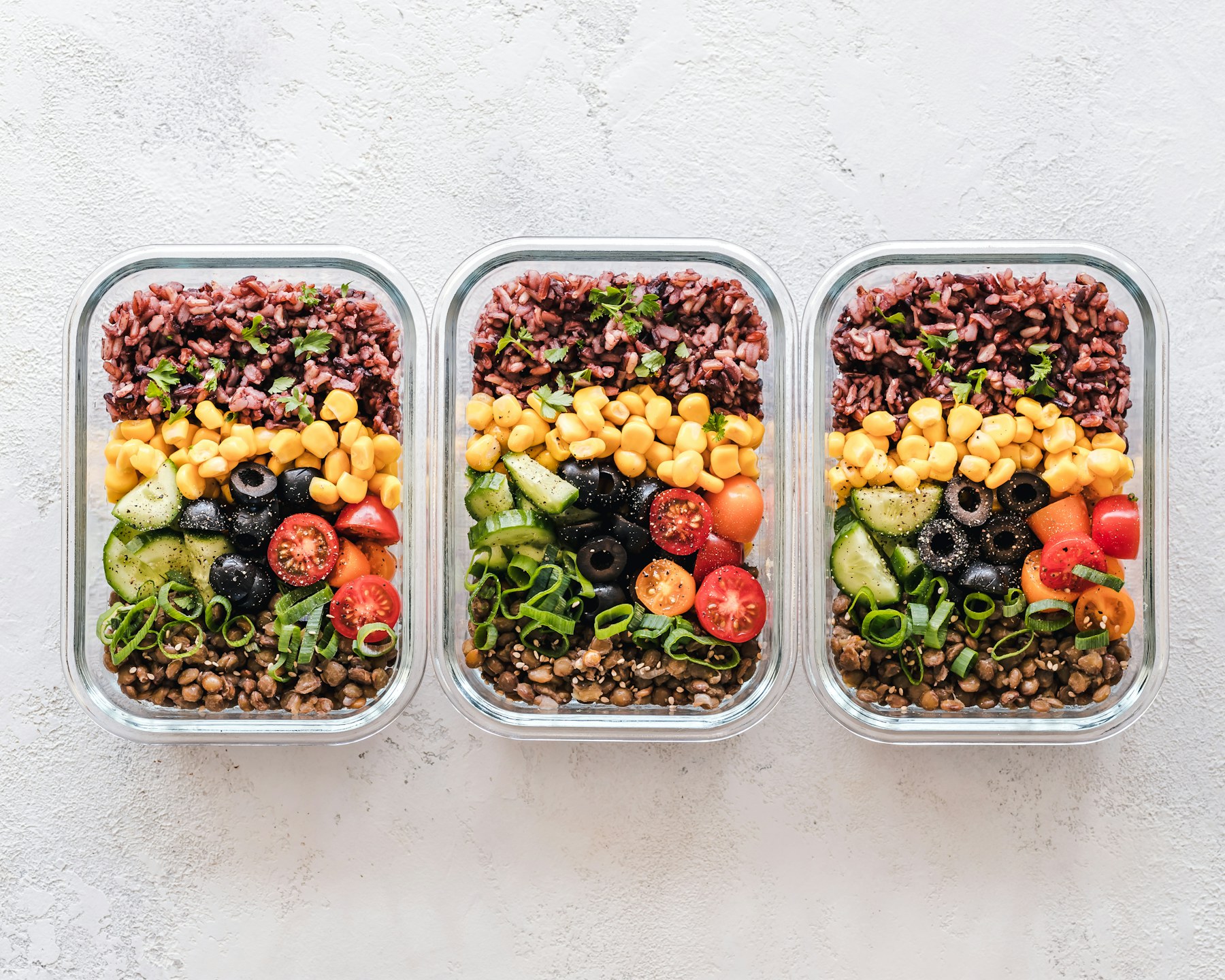
A balanced plate is a visual planning tool, not a medical formula. A useful meal usually includes a meaningful protein source, vegetables or fruit, a carbohydrate source, and enough fat or flavor to feel satisfying.
This article uses the flexible food-pattern principles described by NIDDK, MedlinePlus, and the Dietary Guidelines for Americans. Needs vary with health, age, activity, culture, and access.
A practical way to begin
Try rice with beans and vegetables, eggs with toast and fruit, yogurt with oats and berries, or fish with potatoes and salad. Mixed dishes can contain the same elements without keeping them physically separate.
Common mistakes to avoid
Rigid plate fractions can ignore appetite, culture, activity, budget, and health needs. Labeling foods as clean or bad can also make eating unnecessarily stressful.
Your next step
Look at your most common meal and identify what is missing. Add one component rather than rebuilding the entire menu.
Get practical wellness notes
Useful beginner guidance, new tools, and transparent review updates—sent thoughtfully.
Related articles
 Wellness
What Is a Calorie Deficit? A Simple Beginner Explanation
Understand how a calorie deficit works, why estimates are imperfect, and how to create a modest change without extreme restriction.
WellnessHow to Lose Weight Safely: A Realistic Beginner Guide
A step-by-step framework for building a sustainable weight-loss routine without crash diets, punishment, or impossible rules.