Wellness
How to Lose Weight Safely: A Realistic Beginner Guide
A step-by-step framework for building a sustainable weight-loss routine without crash diets, punishment, or impossible rules.
Educational note: This article provides general information and is not medical advice.
What safe weight loss actually looks like
Safe weight loss is usually less dramatic than social media makes it appear. It is built from repeatable eating, movement, sleep, and stress-management habits rather than a short burst of restriction. The CDC notes that gradual, steady weight loss is more likely to be maintained than faster loss, while medicines, medical conditions, hormones, age, stress, and environment can all affect progress.
That context matters because no single plan works for everyone. The useful goal is not to copy another person's menu or chase a perfect weekly number. It is to create a modest change that fits your life, monitor the trend, and adjust with patience.
Step 1: Record an ordinary baseline
Before changing everything, observe three to seven normal days. Note meals and drinks, activity, sleep, and situations that make your routine harder. This is not a test and the record does not need to be precise. Its purpose is to reveal one or two changes that would make the biggest practical difference.
Avoid trying to fix every observation at once. A baseline is information, not a verdict.
- Notice drinks that add calories without helping you feel full
- Identify meals that leave you hungry soon afterward
Get practical wellness notes
Useful beginner guidance, new tools, and transparent review updates—sent thoughtfully.
Related articles
WellnessWhat Is a Calorie Deficit? A Simple Beginner Explanation
Understand how a calorie deficit works, why estimates are imperfect, and how to create a modest change without extreme restriction.
 Wellness
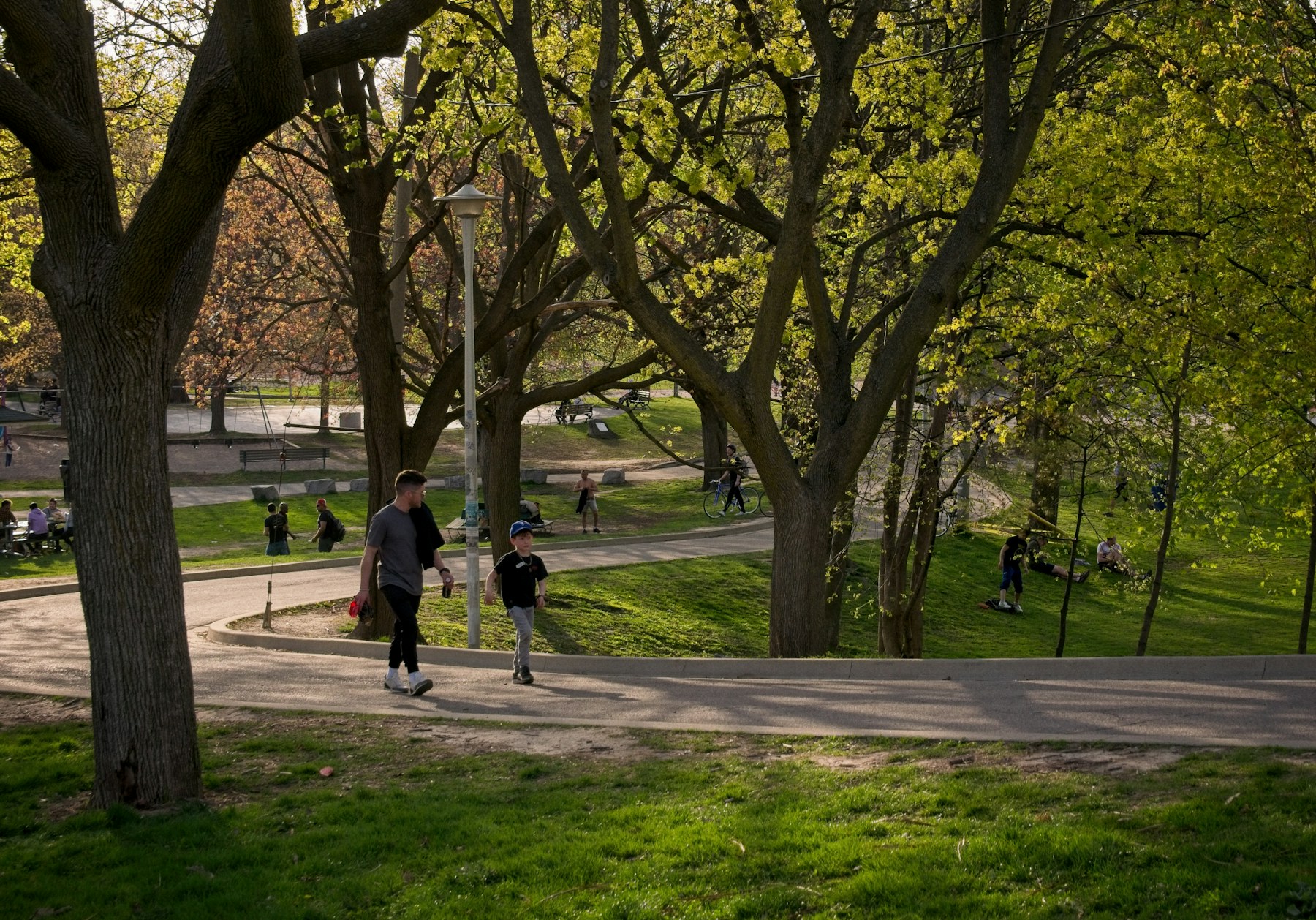
Beginner Walking Plan: Build a 30-Minute Habit in 4 Weeks
A flexible four-week walking schedule that starts small, progresses gradually, and leaves room for recovery and real-life interruptions.